
You Don't Need a $15,000 Lens: My Wildlife Photography Gear


There's a 600mm prime lens I have my eye on. It's only about $15,000. Only!
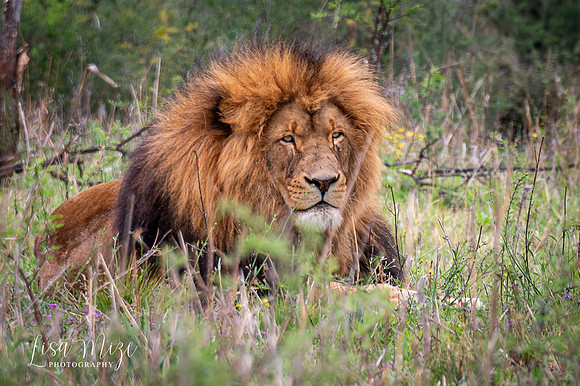
So I make do with something a whole lot more affordable, and I am super happy with my images. I just got back from safari in South Africa, and I'm here to tell you that you do not need the most expensive lens to make good images of wildlife!
The two lenses I rely on
My workhorse: a 28-300mm. I love this lens! It's f/3.5 to f/5.6, so it isn't a fast lens, and it isn't expensive. But I've been on shoots with lots of other people swapping between several lenses to cover what this one does, and I never have to change my lens at all. On safari, I used it about as much as my big telephoto. When an elephant walked right up next to our vehicle, the shorter lens was exactly what I needed.
My "big gun": a 200-500mm. That's what my husband lovingly calls it. Being able to zoom in on a face is pretty amazing, because you often can't get close to what you want to photograph. You also shouldn't! You want to stay back and zoom in. Mine cost around $1,500. The bummer? It weighs 5 pounds all by itself.
Zoom or prime?
Prime lenses at 400mm or 600mm are fantastic. The glass is higher quality because the lens doesn't have to deal with zooming. They can also be fast, with a big opening at the front. But they're pricey, and they can be real beasts to hold.
Zooms give you flexibility. With a prime, you have to move yourself or your framing to change the composition, and with wildlife, moving isn't always an option.
The best thing to do is try them. Go to a camera store, pick them up, and play! That 70-200mm you already own might even be a good place to start. A heavy lens does you no good if you won't carry it, so get a lighter one if you need to.
Know your gear by touch
An early lesson from another photographer has stayed with me: sit down with your camera, close your eyes, and learn where all your buttons and dials are.
With a landscape, you have time to set up and fiddle. With wildlife, you often don't. Changing settings needs to be second nature. And if you get a new camera or lens, practice before you leave! The last thing you want is to take brand new gear on safari and miss your shots because you don't know how to use it.
Keep it steady
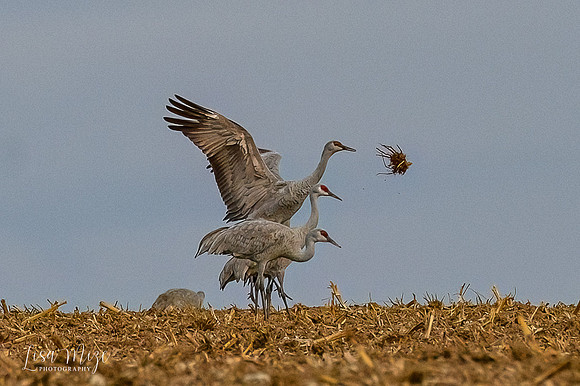
Those big lenses get heavy after three hours of shooting birds. Here's what helps:
- Tripod or monopod. Shooting birds on a tripod can be hard, but in the right spot it takes the weight off. On an eagle trip up the Skagit in a small skiff, I set my tripod at my height just to hold the camera. It saved my elbows and wrists!
- Brace yourself. On safari, I tucked my elbow into my hip while holding that 5-pound lens. It felt awkward, kind of like shooting a gun, but it gave me extra stability.
- Use image stabilization. Once you get to about 400mm or more, a slight vibration can destroy your sharpness.
What's in my bag
- Extra memory cards.
- Extra batteries and their charger
- Lens cloths and microfiber towels (several)
- Rocket blower for dust
- Dry bags
- Tripod or monopod
- Circular polarizer, for cutting glare when you're shooting whales, seals or sea lions out on the water
Wipe your lenses often. The worst thing is getting home and finding sand or dust all over your images. You do not want to edit that. It takes forever.
Protect your equipment
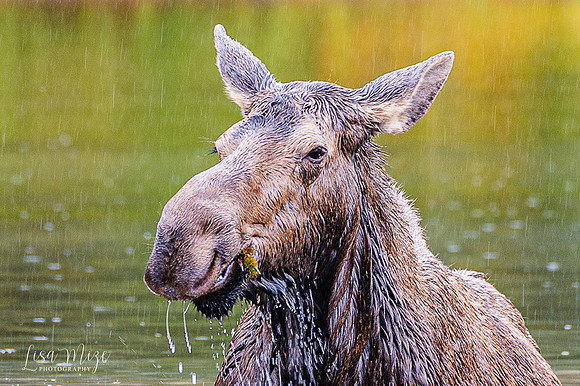
The harsh places are often where the best images live: rain, dust, cold and sea spray. You can still protect your gear.
- Rain. A 2-gallon Ziploc bag works great, or you can buy a fancy raincoat for your camera and lens.
- Dust and sand. Our cameras got covered on safari game drives. I wiped mine down, covered it with my coat or a blanket, and cleaned my gear partway through the trip.
- Sea spray. Keep dry bags handy near salt water, especially when the wind is blowing sand around.
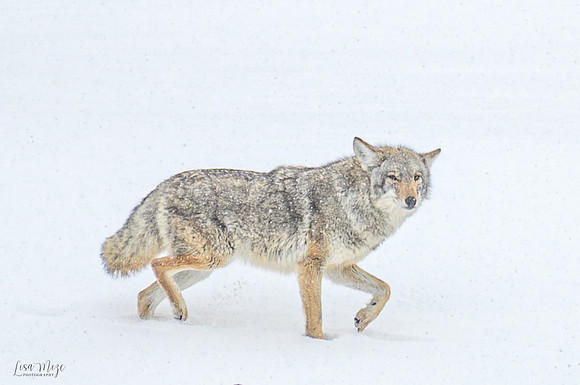
- Lens hood. Use it! One snowy day shooting bison, mine filled right up with snow while I shot out the car window. Crazy, and so much fun.
- Changing lenses. Don't do it in dust, sea spray or rain. When you do change, point your camera body down and swap from below, so nothing falls onto your sensor.
Dress for invisibility
This is gear too! Wear muted, earthy tones and skip the perfume and strong scents. The less the animals notice you, the more natural the behavior you'll capture. It's also a simple way to show them respect.
Your next step
I've put all of my camera settings into a printable set you can toss in your bag. Find the Complete Photography Cheat Sheet Bundle on Etsy, including sheets for wildlife and birds.